CASE STUDY:
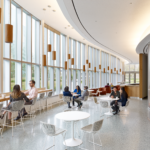
Advanced Science Research Center (ASRC) Café – Harlem/Hamilton Heights, NY
Project Overview
A Curved Partition Engineered for Institutional Flexibility
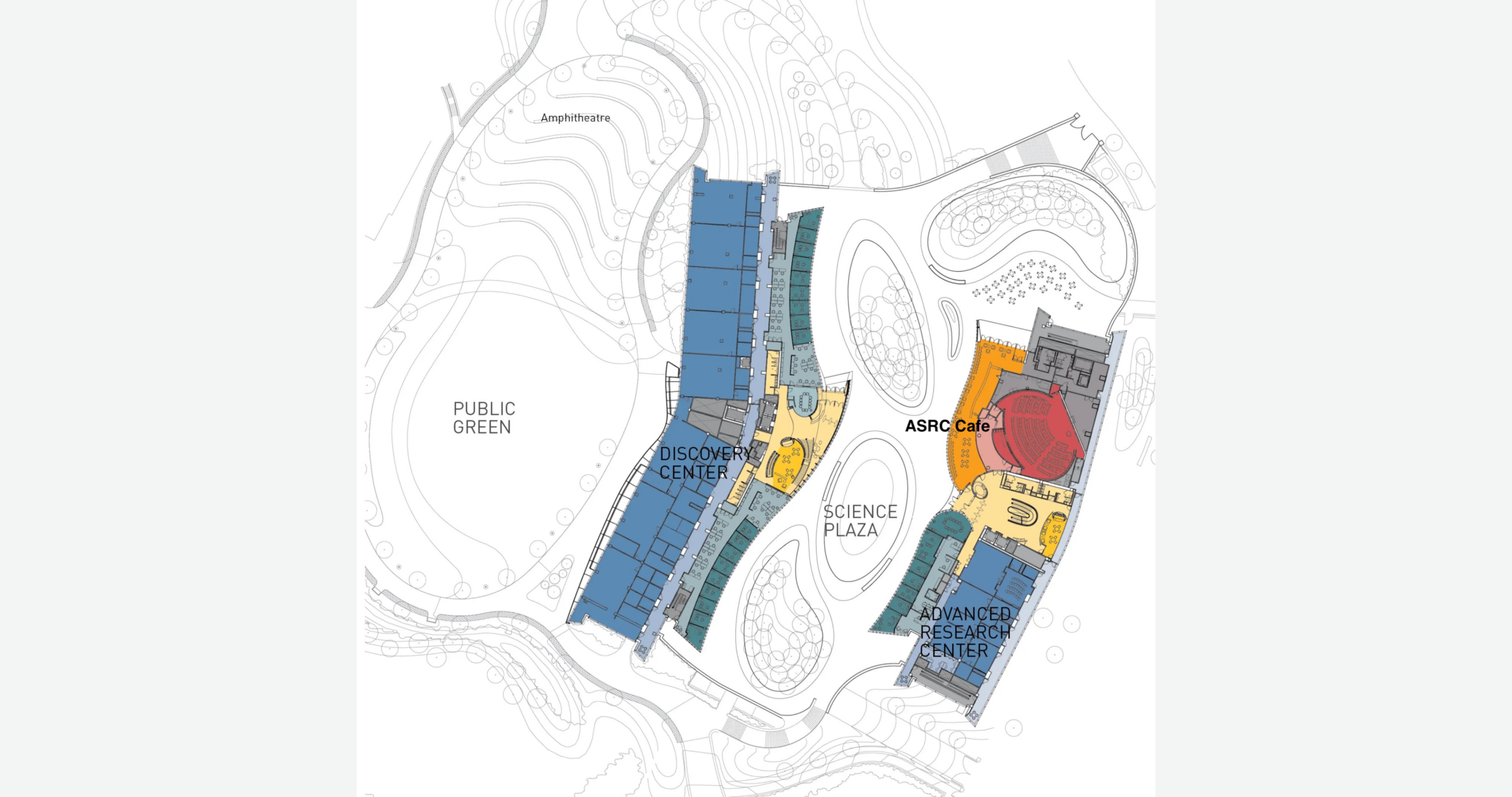
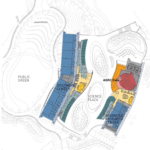
At the Advanced Science Research Center, part of CUNY’s landmark expansion of its scientific research campus, architecture is designed to promote collaboration, clarity, and adaptability.
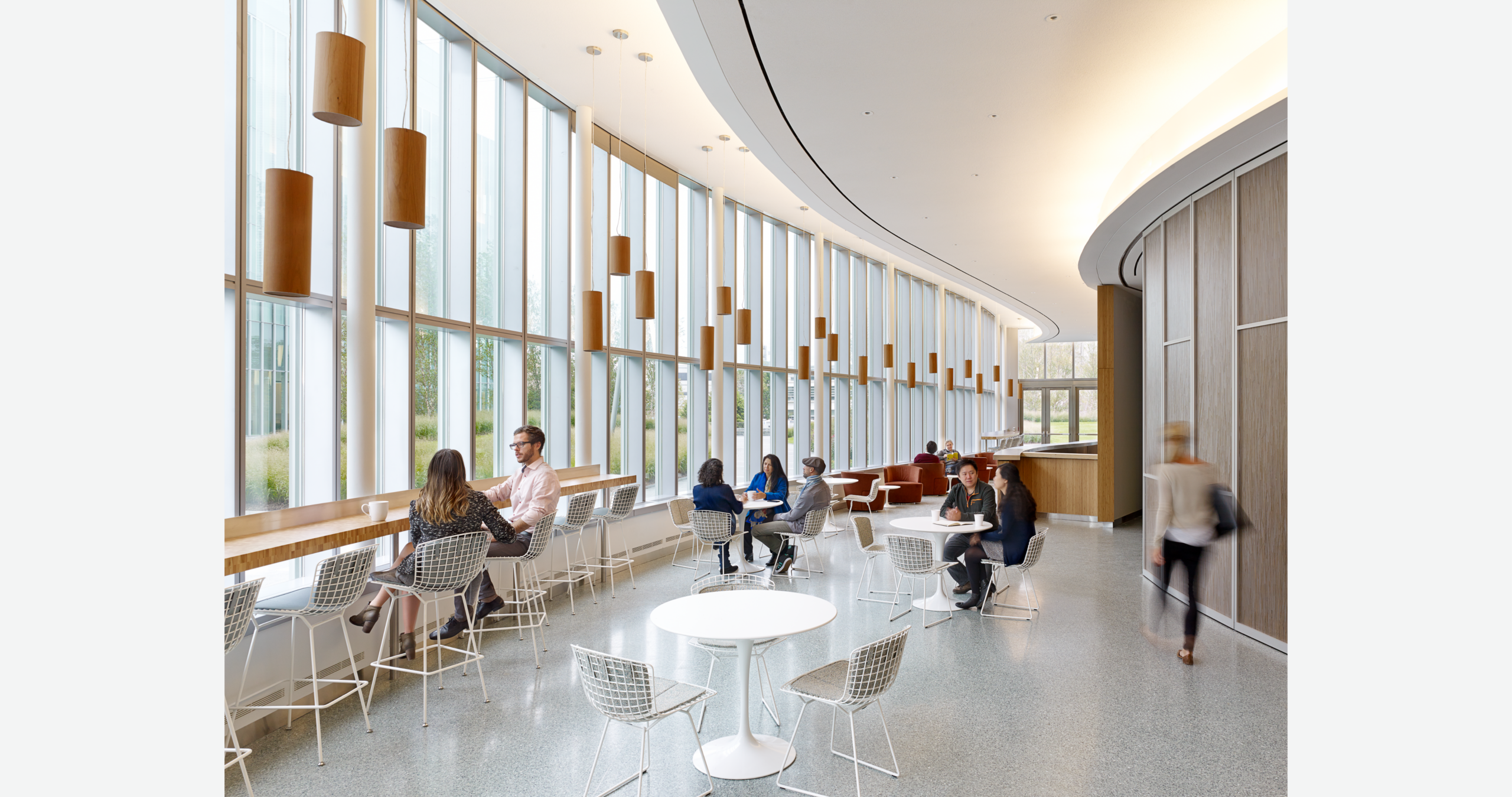
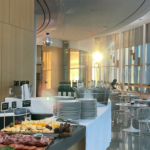
Between the auditorium and café, the design required a system capable of defining space without permanently dividing it. The solution needed to maintain daylight, support acoustic separation, and disappear entirely when expanded programming demanded openness.
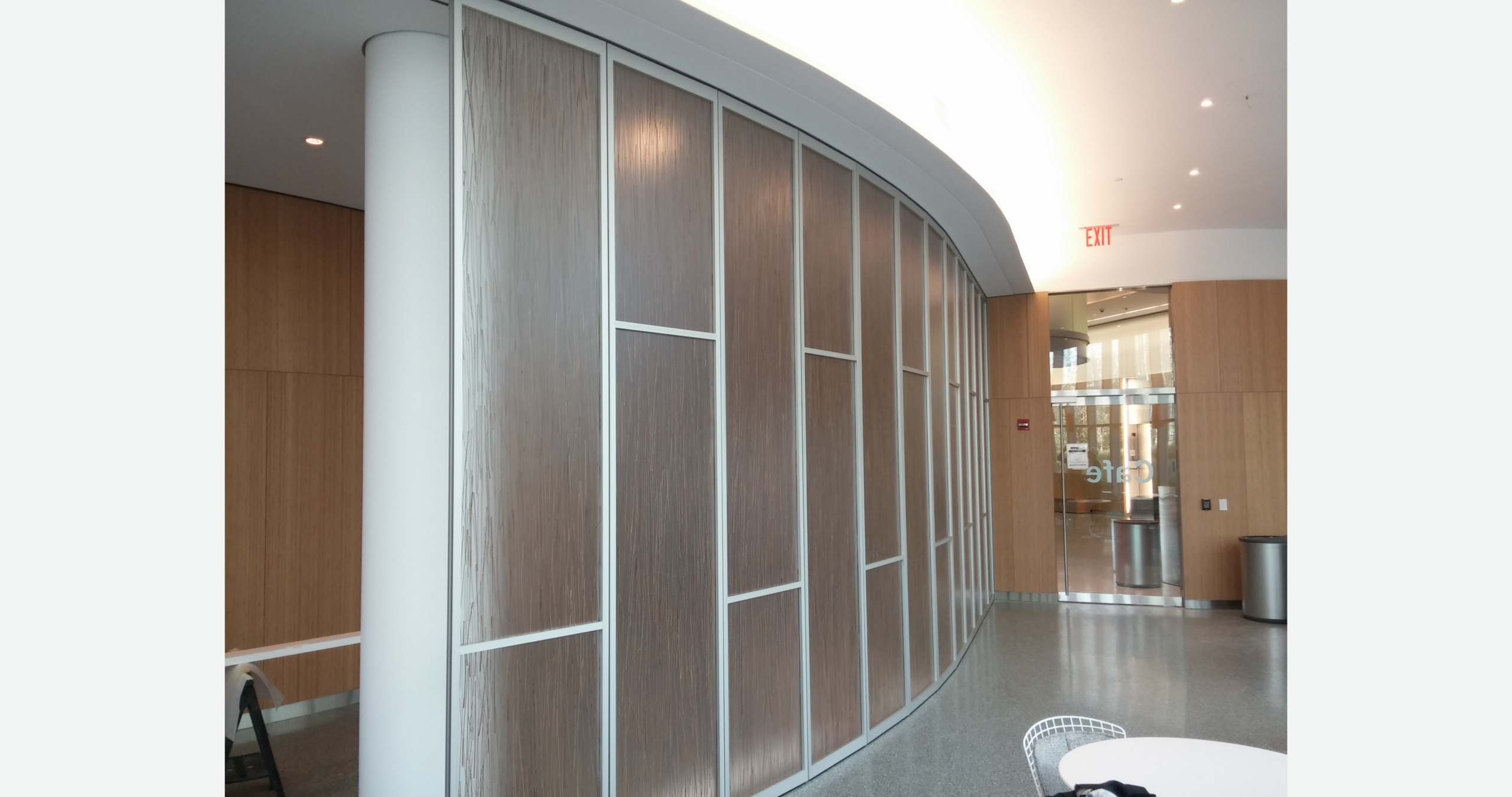
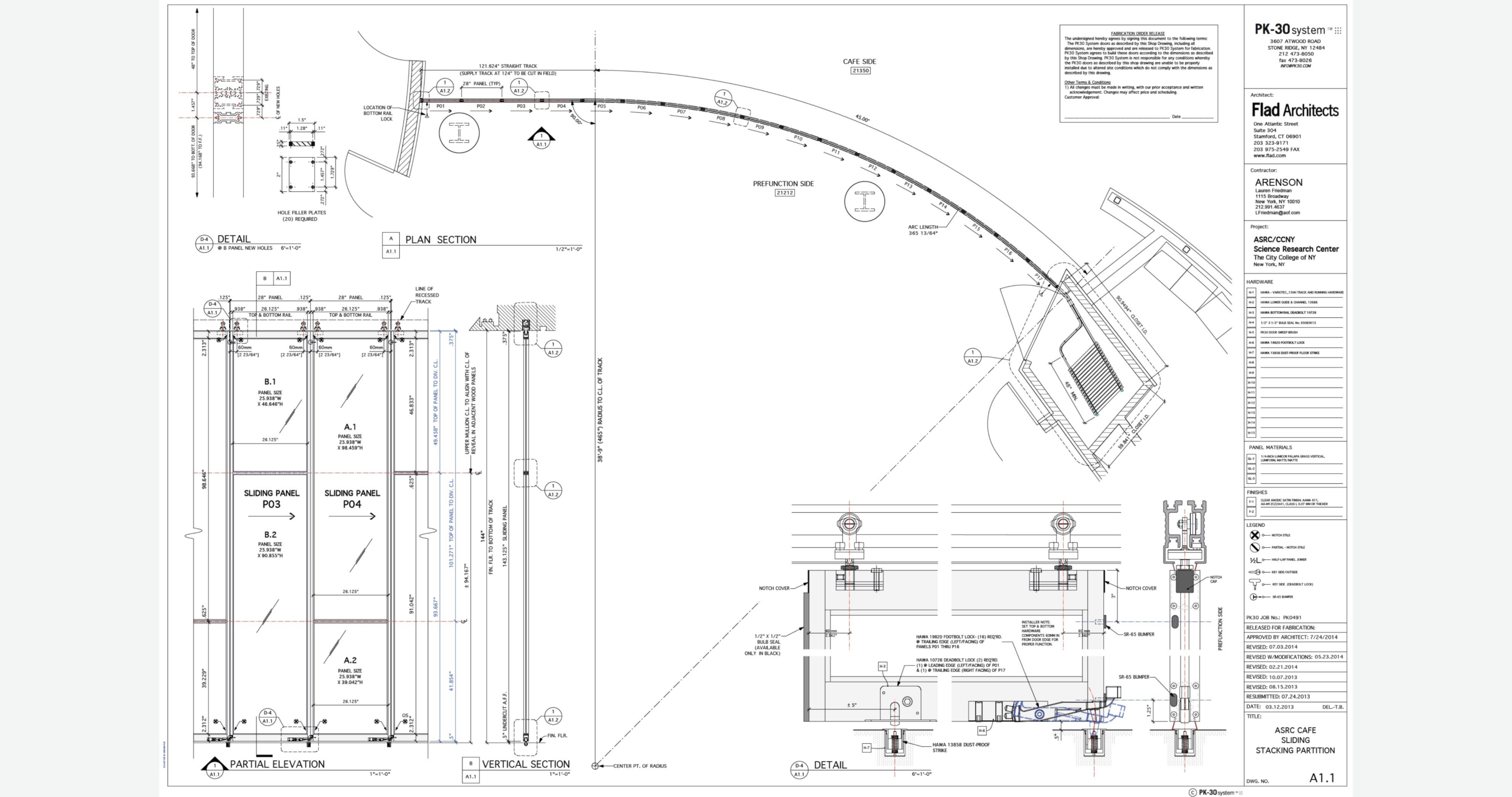
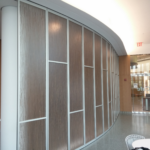
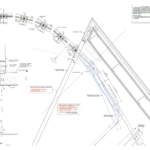
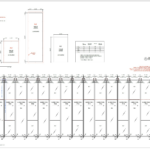
PK-30 delivered a 45-foot radius sliding stacking partition rising 12 feet in height — engineered to perform as permanent architecture while retaining complete mobility.
Challenge
Translucency Without Transparency

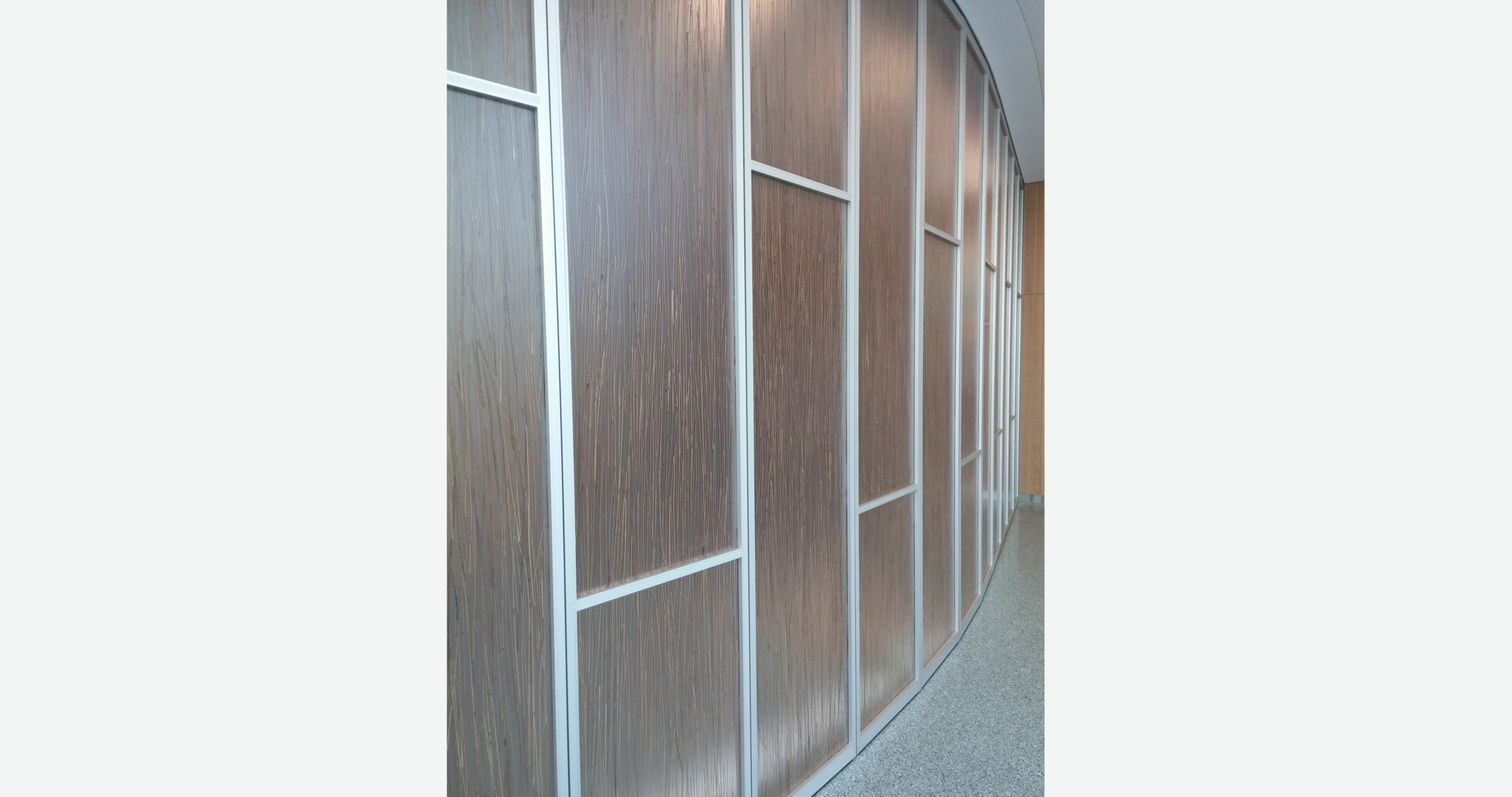
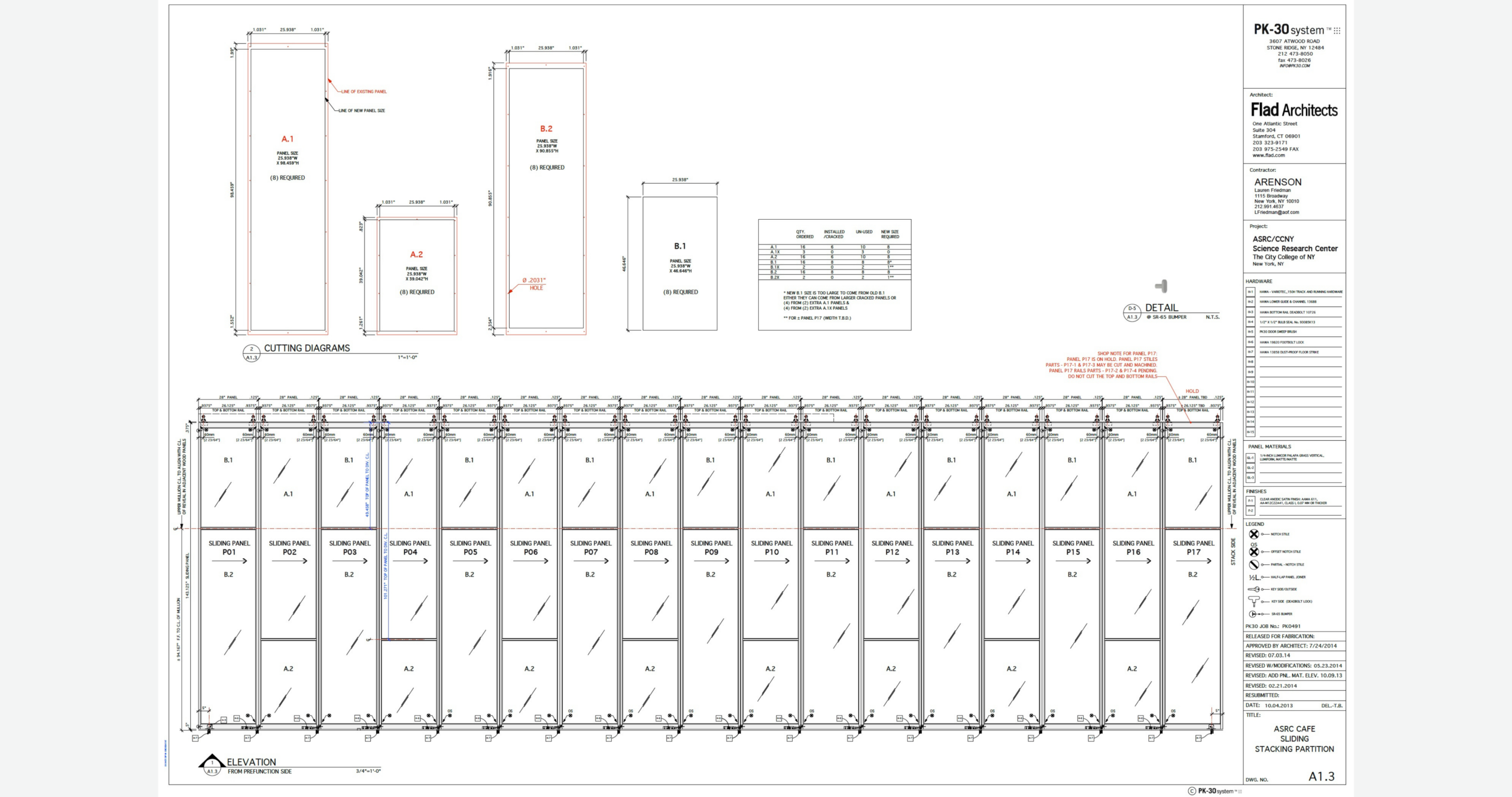
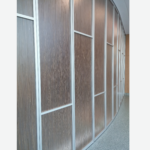
Unlike conventional glass installations, this project integrates custom translucent resin panels. The material selection was intentional. Rather than relying on opaque separation, the resin panels allow light transmission while softening visibility between spaces. The surface introduces subtle texture and depth, contributing to acoustic moderation and reinforcing the building’s refined material palette.
The result is controlled separation achieved through material performance — not added bulk.
Radius Engineering at Architectural Scale
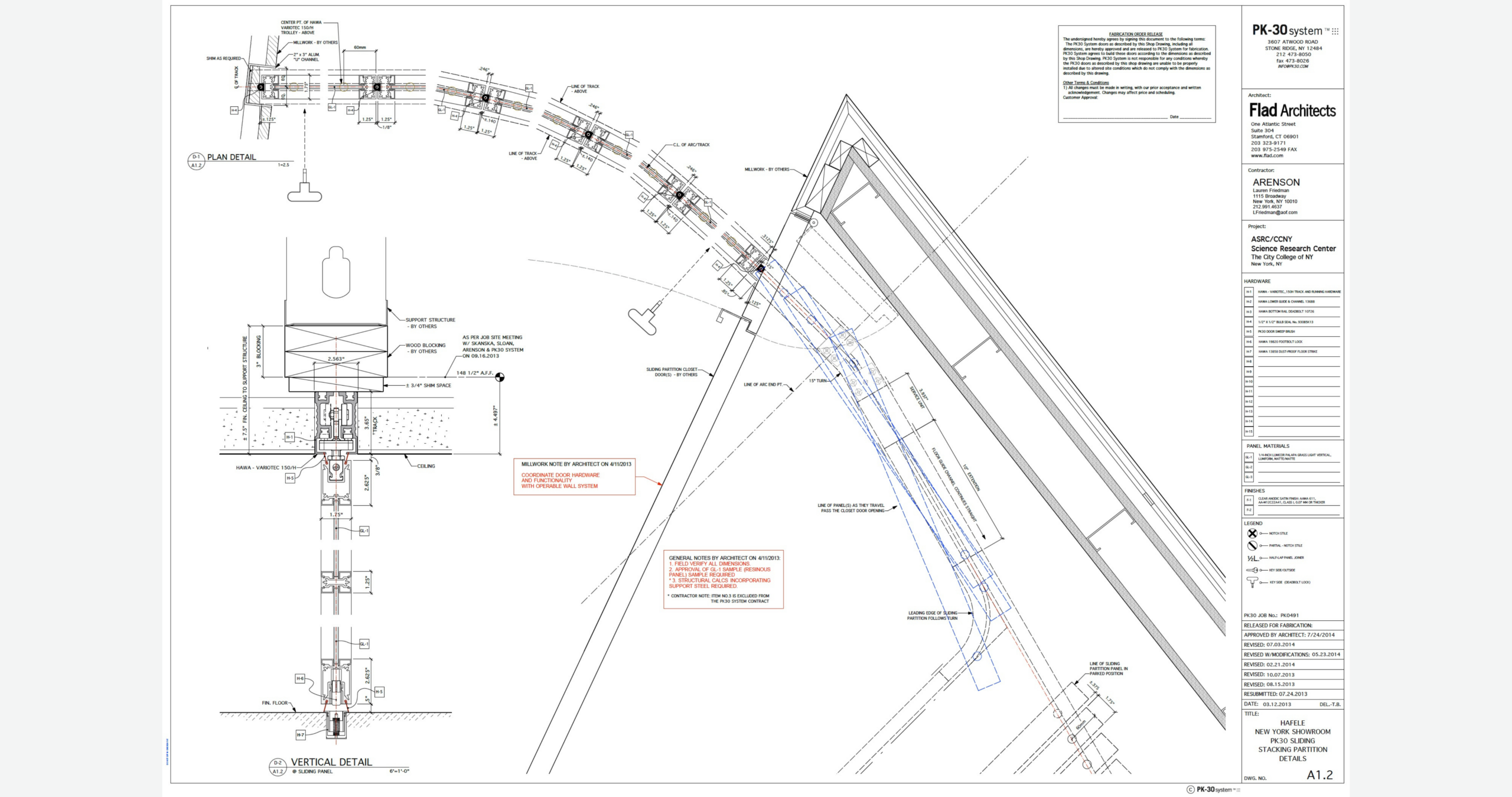
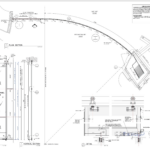
The system follows a continuous curved track aligned precisely with the architectural geometry of the space. Panels glide along the radius, transition through a 15-degree turn, and stack into a concealed pocket fully removed from view. When open, the partition dissolves into the architecture. When closed, it establishes a disciplined boundary between public functions.
At 12 feet tall, the system maintains slim 60mm vertical stiles and a Class I clear anodized satin finish, reinforcing precision and visual consistency at an uncommon scale.
Solution
One System. Two Spatial Identities. Results
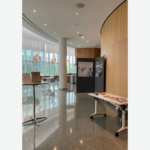
Closed, the partition creates a defined buffer between auditorium programming and café circulation.
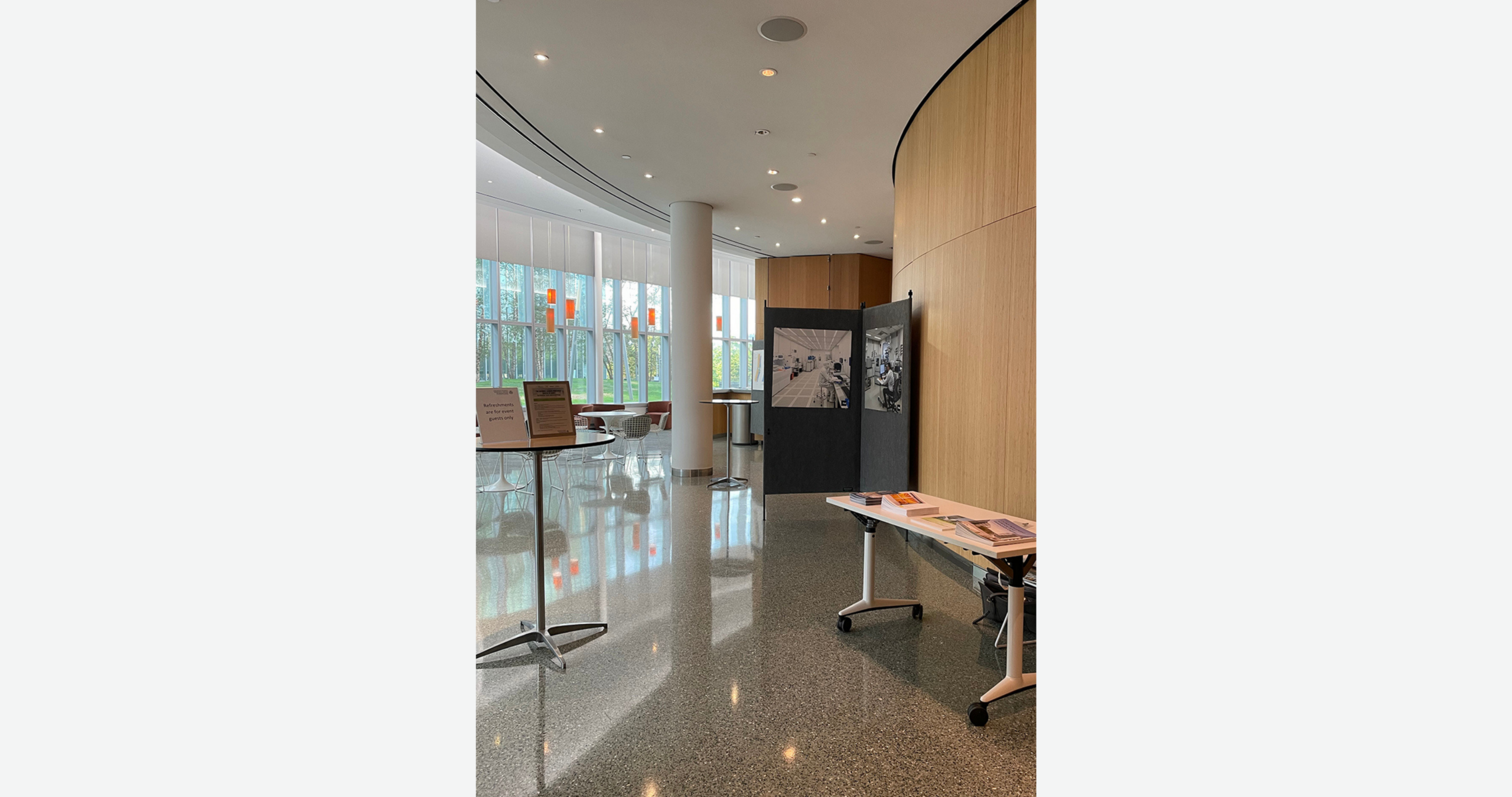
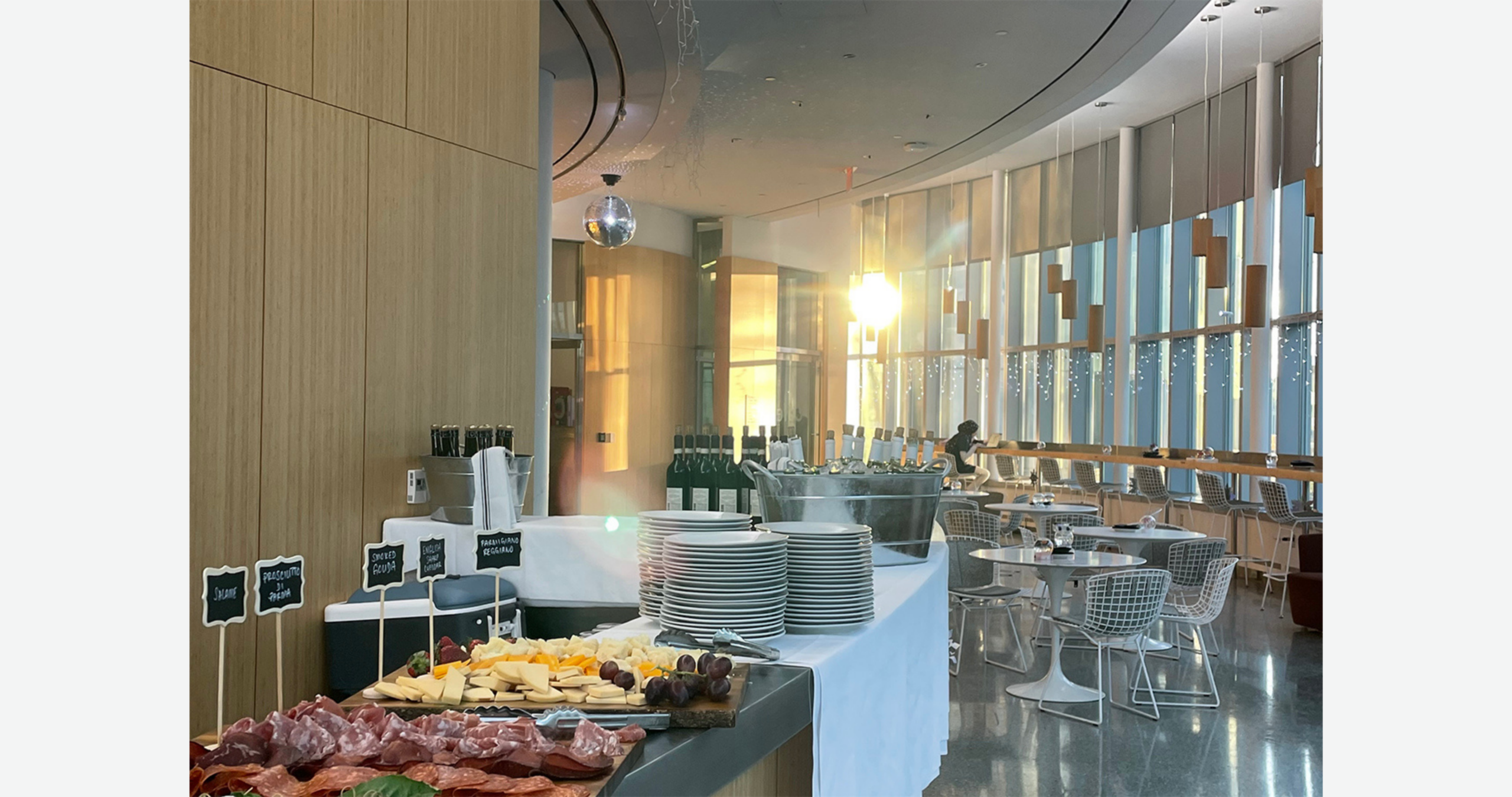
Open, it expands the café footprint to accommodate larger gatherings and events. The intervention is subtle, yet transformative — allowing the space to adapt without architectural compromise.
Results
Light remains present even when separation is required. Circulation is controlled without disrupting visual continuity.
Flexibility is embedded directly into the architecture. Rather than functioning as a temporary divider, the system operates as a permanent architectural element capable of disappearing when necessary.
Conclusion – The PK-30 Experience
The ASRC Café installation demonstrates PK30’s ability to engineer custom radius systems at institutional scale while integrating non-glass materials within a cohesive framework.
By combining curved track fabrication, 12-foot custom height, translucent resin panels, and concealed stacking functionality, the project achieves both performance and architectural restraint.
For higher-education environments that demand flexibility, precision, and material sophistication, PK-30 delivers systems designed to transform space — without disrupting it.
Location
Harlem/Hamilton Heights, NY
Architect
Kohn Pedersen Fox (KPF) + Flad Architects
Photographer
Tim Griffith, Jeremy Bittermann
PK-30 Scope of Work
45 linear feet of curved sliding stacking partition, 12 feet high, incorporating custom translucent resin panels with concealed pocket stacking and integrated locking hardware.